
When looking at the technical specifications of a vaping device, you may notice battery ratings such as 650mAh, 1500mAh, 2000mAh or 2700mAh.
But what does mAh actually mean? Does a higher number always indicate a better battery? And can battery capacity tell you exactly how long a device will last?
Understanding these figures helps explain how battery-powered vaping devices operate and why two devices with different battery capacities may deliver different runtimes.
This guide explains the meaning of mAh, how battery capacity relates to energy consumption, and the important battery safety considerations for Australian consumers.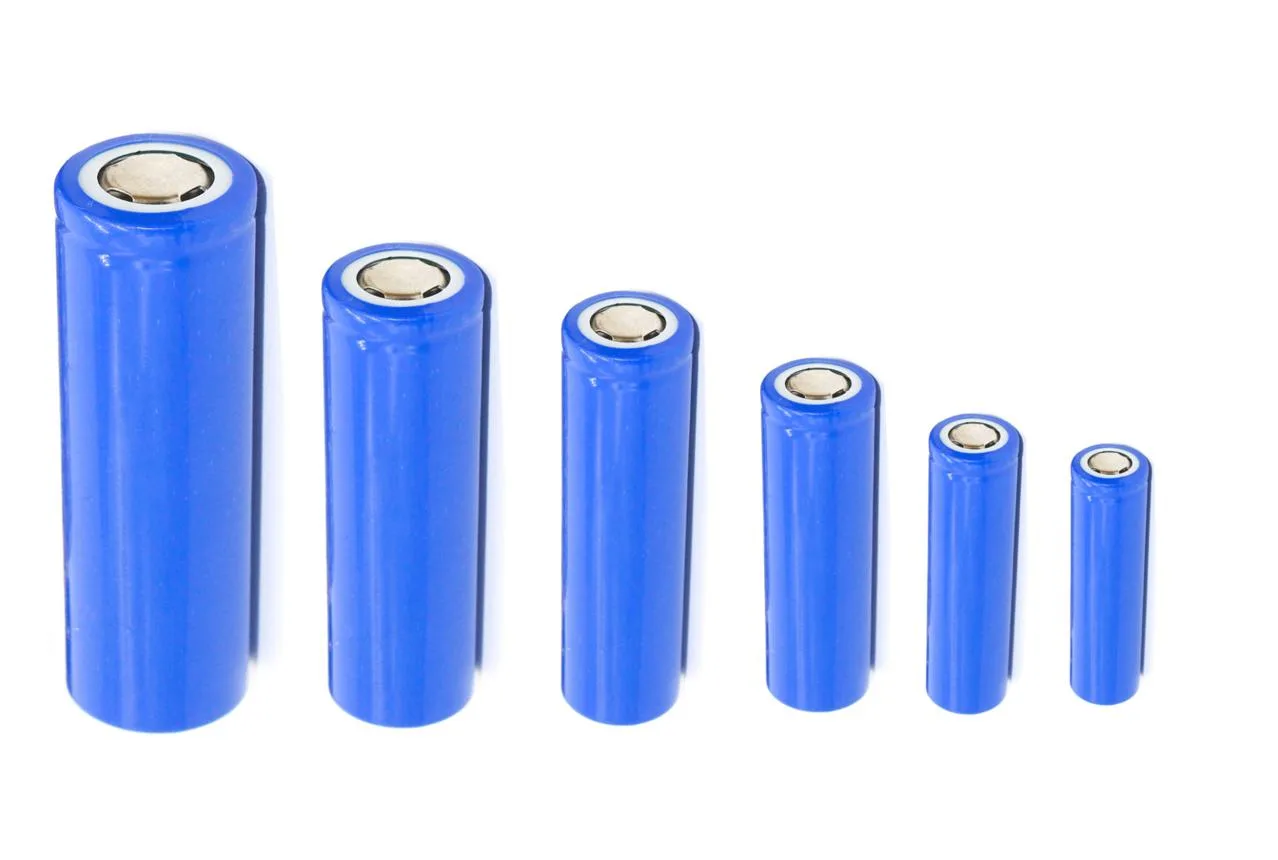
1. What Does mAh Mean in a Vape Battery?
mAh stands for milliampere-hour, a unit used to describe electrical charge capacity.
In simple terms, it indicates how much electrical charge a battery can theoretically deliver over time under specified conditions.
For example:
A 1000mAh battery has a nominal capacity of 1000 milliampere-hours.
A 2000mAh battery has twice the nominal charge capacity of a 1000mAh battery.
A 2700mAh battery has a higher nominal charge capacity than a 2000mAh battery.
As a simplified example, a 2000mAh battery could theoretically supply 200 milliamperes for 10 hours.
However, this is a mathematical illustration rather than a prediction of actual vape runtime.
Real-world battery performance depends on discharge rate, voltage, temperature, battery condition and the power requirements of the device.
2. Does Higher mAh Mean Longer Vape Battery Life?
Generally, a higher mAh rating indicates greater charge capacity when comparing batteries with similar voltage and chemistry.
However, higher capacity does not automatically guarantee longer runtime across different devices.
Battery performance is influenced by several factors:
Power consumption: Higher-power heating systems require more energy.
Coil resistance: Resistance affects electrical behaviour, although actual power also depends on the control circuit.
Device electronics: Displays, sensors and control boards consume electricity.
Battery condition: Capacity can decrease as a battery ages.
Temperature: Extreme heat or cold can affect battery performance.
Usage patterns: Different activation durations and frequencies change energy consumption.
For example, a device with a 2700mAh battery may not necessarily operate longer than one with a 2000mAh battery if it consumes substantially more power.
The important distinction is that battery capacity describes stored charge, while runtime depends on how quickly that charge is consumed.
3. Comparing Different Vape Battery Capacities
The following table illustrates common battery capacity ratings and their relative nominal charge.
Battery capacityNominal chargeWhat it indicates650mAh0.65AhLower nominal charge capacity1000mAh1.0AhGreater capacity than 650mAh1500mAh1.5AhModerate nominal charge capacity2000mAh2.0AhHigher nominal charge capacity2700mAh2.7AhGreater capacity than 2000mAhThese figures do not represent guaranteed operating times.
For a meaningful comparison, battery voltage, energy capacity, discharge conditions and device power requirements should also be considered.
4. What Is the Difference Between mAh and Wh?
While mAh measures electrical charge capacity, Wh (watt-hours) measures energy.
This distinction matters because two batteries with the same mAh rating can store different amounts of energy if their nominal voltages differ.
A simplified formula is:
Wh = (mAh × Nominal Voltage) ÷ 1000
For example, a hypothetical 2000mAh lithium-ion battery with a nominal voltage of 3.7V has an approximate nominal energy capacity of:
2000 × 3.7 ÷ 1000 = 7.4Wh
A hypothetical 2700mAh battery at the same nominal voltage has:
2700 × 3.7 ÷ 1000 = 9.99Wh
This calculation provides a theoretical energy comparison. It does not account for conversion losses, battery ageing, discharge limits or operating conditions.
For technical comparisons between different devices, watt-hours can be more informative than mAh alone.
5. Why Can a Vape Battery Drain Faster Than Expected?
A battery may appear to drain quickly even when its advertised capacity is relatively high.
Several technical explanations are possible.
High Power Consumption
Heating elements require electrical energy to operate. Devices with higher power demands can deplete a battery more quickly than lower-power systems.
Battery Ageing
Lithium-ion batteries gradually lose usable capacity through ageing and repeated charge-discharge cycles.
This means an older battery may provide less runtime than it did when new.
Temperature Conditions
Both high and low temperatures can affect battery behaviour.
Cold conditions may temporarily reduce available performance, while prolonged exposure to excessive heat can accelerate deterioration and increase safety risks.
Electronic Components
Screens, sensors and control circuitry can also draw power.
Although heating is often the main energy-consuming function, the overall electrical design influences total battery consumption.
Battery Indicator Accuracy
Some devices estimate battery charge using voltage or other electronic measurements.
These estimates may not perfectly reflect the battery's remaining usable energy under all conditions.
6. Does Battery Capacity Determine the Number of Puffs?
No. Battery capacity alone cannot determine how many puffs a device will produce.
Advertised puff counts may depend on testing conditions, activation duration, available e-liquid, heating efficiency and other design characteristics.
For example, a device with a relatively large battery could still stop producing aerosol if its e-liquid supply is exhausted or its heating components fail.
Similarly, a device may contain remaining e-liquid while its battery is unable to provide sufficient power.
Therefore, battery capacity and advertised puff count should be treated as separate specifications.
Neither number independently guarantees actual device lifespan.
7. How Does Battery Capacity Relate to Charging Time?
Battery capacity can influence charging time, but it is not the only factor.
Charging duration also depends on:
The charging current supported by the device.
The battery management circuitry.
Battery temperature.
The initial state of charge.
The charging profile used by the manufacturer.
A higher-capacity battery may take longer to charge when compared under similar charging conditions.
However, a device with a larger battery and a different charging system may charge faster than a smaller battery with a more limited charging current.
Battery charging is also not perfectly linear. Lithium-ion charging systems commonly reduce charging current as the battery approaches full charge.
For safety, only charge rechargeable devices according to the manufacturer's instructions. Never attempt to recharge a device that is not designed to be rechargeable.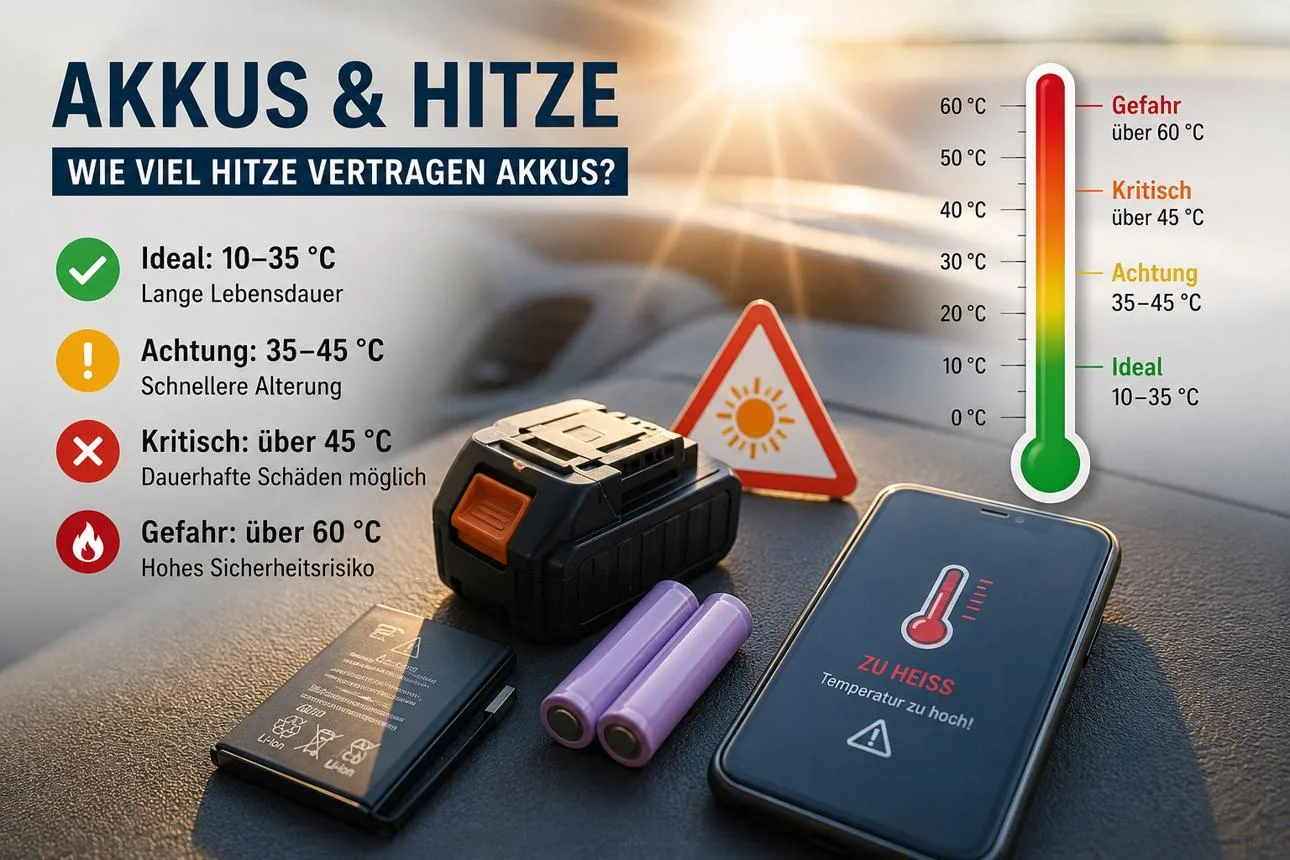
8. Vape Battery Safety in Australia
Many battery-powered vaping devices contain lithium-ion or other lithium-based batteries.
These batteries require appropriate handling because physical damage, overheating, electrical faults and improper charging can create fire risks.
Important safety considerations include:
Do not leave battery-powered devices in hot vehicles.
Avoid exposure to direct sunlight or excessive heat.
Do not use devices with swollen or damaged batteries.
Never puncture, crush or dismantle sealed batteries.
Do not attempt to repair a damaged disposable device.
Follow the manufacturer's instructions for charging and storage.
Keep damaged devices away from combustible materials where it is safe to do so.
Australian consumers should also be aware that vaping devices containing batteries require appropriate disposal.
They should not be placed in ordinary household rubbish or kerbside recycling bins.
Contact your local council or an authorised collection service for advice on accepting vaping devices and embedded lithium batteries. Not every general battery collection point accepts complete vape devices.