
Can Moisture Affect an IGET BAR PRO Airflow Sensor?
A Few Drops Around the Mouthpiece — Should You Be Concerned?
Picture an IGET BAR PRO 10000 sitting on a desk.
There is a little moisture near the mouthpiece. The device looks otherwise normal, but its activation seems inconsistent.
Could those droplets have something to do with the airflow sensor?
Possibly.
Moisture can interfere with airflow passages, pressure-sensitive components and electronic circuits. However, droplets around a mouthpiece do not automatically mean that an internal sensor has failed.
There is an important distinction between what can be observed externally and what is actually happening inside a sealed device.
This guide examines that distinction, using established principles of electronic sensing and battery safety.
It is a technical explanation rather than a repair tutorial or a verified teardown of the IGET BAR PRO.
1. First, What Does an Airflow Sensor Actually Do?
Many disposable-style vaping devices use an automatic activation system, commonly called an auto-draw system.
Instead of relying on a conventional firing button, these systems detect an airflow-related or pressure-related change associated with inhalation.
The general process can be described in three stages.
Detection: A sensor responds to a change in airflow or pressure.
Electronic control: The device's control circuitry interprets the signal.
Heating activation: If the activation conditions are satisfied, the system supplies power to the heating element.
When the activation condition ends, heating should stop.
The sensor is therefore part of an electronic control system, not the heating element itself.
A problem with the sensor, its sensing passage or its electrical connection could potentially affect activation.
However, the precise sensing method used in IGET BAR PRO 10000 has not been independently verified in this article.
2. Three Different Types of Moisture Exposure
One of the biggest mistakes in diagnosing moisture-related problems is treating every visible droplet as the same substance.
For a vaping device, there are three different possibilities worth considering.
Case A: Condensation
A vaping device generates an aerosol containing suspended liquid droplets.
As aerosol moves through a cooler passage, some constituents may deposit on internal surfaces.
Over time, these deposits can form a visible film or droplets.
Condensation may appear near the mouthpiece or airflow channel.
It does not necessarily indicate that the liquid reservoir is leaking or that an electronic component has been damaged.
Case B: E-Liquid Leakage
Leakage happens when liquid escapes from its intended storage or delivery system.
Possible causes include compromised seals, structural damage or a fault involving liquid-containing components.
Unlike ordinary condensation, leakage may expose areas of the device to liquid that should remain inside the storage system.
The consequences depend on where the liquid travels and whether it reaches sensitive components.
Case C: External Water Exposure
External water may enter through rain, accidental spills, immersion or other environmental exposure.
A device exposed to significant amounts of water may experience problems affecting more than the airflow sensor.
Circuit boards, electrical contacts, battery connections and other internal components may also be affected.
A device that appears to function after getting wet is not necessarily undamaged.
3. How Could Moisture Interfere With an Airflow Sensor?
The possible mechanisms fall into two broad categories: physical interference and electronic interference.
Physical Interference: Changes Inside a Sensing Passage
Some airflow detection systems rely on small openings or pressure pathways.
If liquid enters one of these pathways, it may alter the pressure response experienced by the sensor.
For example, liquid accumulation could potentially restrict an opening or change the way pressure is transmitted.
This may contribute to unreliable activation.
However, different sensor designs respond differently, and a particular BAR PRO unit cannot be diagnosed from this mechanism alone.
Electronic Interference: Moisture Reaching Electrical Components
Electronic circuits depend on electrical signals travelling along intended pathways.
Certain liquids can create unwanted conductive paths between exposed contacts.
Depending on the circuit, this may interfere with normal signal processing.
Moisture can also contribute to corrosion or leave residues that affect electrical contacts over time.
These effects depend on the liquid's composition, conductivity, exposure duration and the protection provided by the device's construction.
It would be inaccurate to suggest that every droplet of condensation causes a short circuit.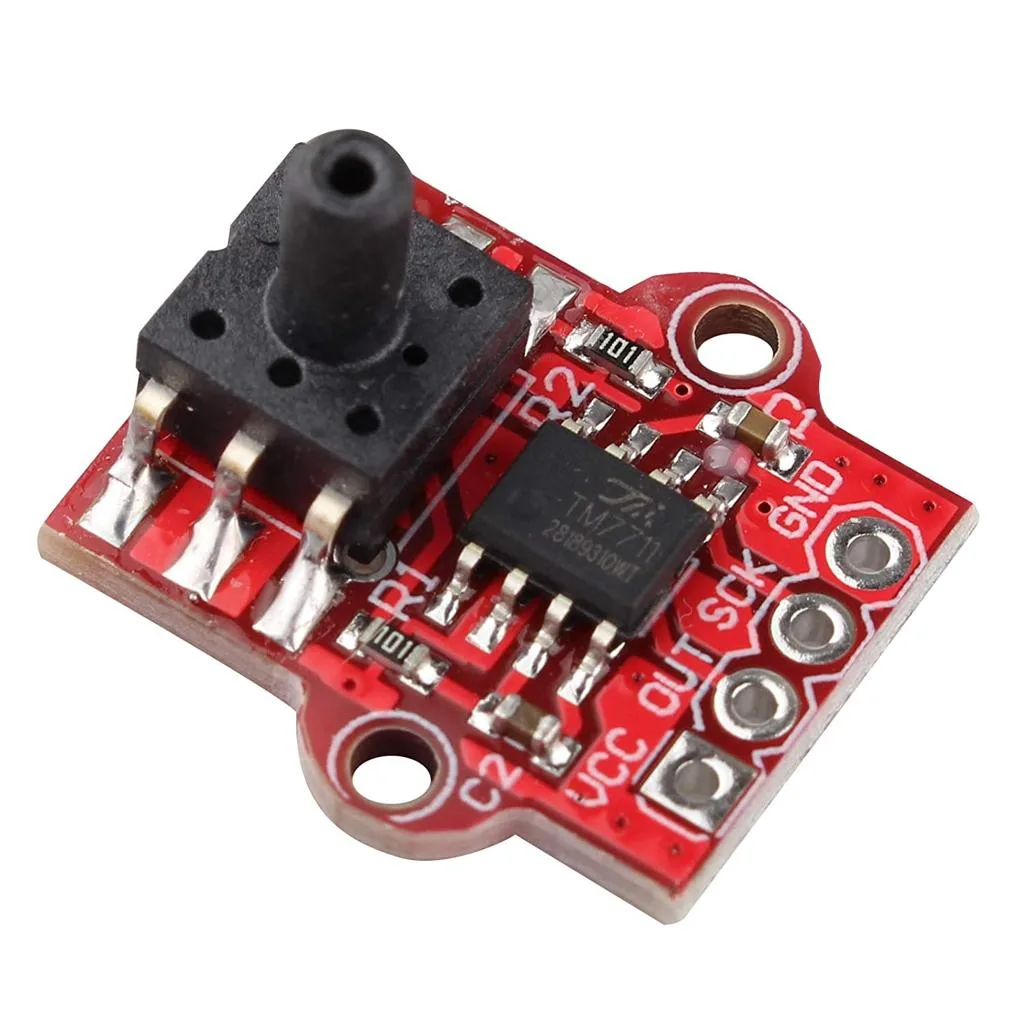
4. A Symptom-Based Comparison
When examining an electronic device, it is useful to separate symptoms from possible explanations.
Observed BehaviourWhat It Could SuggestWhat It Does Not ProveMoisture around mouthpieceCondensation, leakage or external waterConfirmed sensor damageIntermittent activationSensor, circuit or power problemMoisture as the causeNo activationBattery, control or sensor failureA blocked airflow sensorUnexpected activationPossible activation-system faultA specific internal short circuitReduced aerosol outputHeating, power or liquid-supply issueSensor failure aloneUnusual heatPossible electrical or battery hazardA harmless operating conditionThe same symptom can arise from multiple internal conditions.
For example, failure to activate may have nothing to do with water. The device could have insufficient available power or another electrical fault.
Similarly, reduced aerosol production may result from declining liquid availability rather than an airflow problem.
That is why a symptom should not be treated as a definitive diagnosis.
5. Can Condensation Cause an IGET BAR PRO to Activate by Itself?
Unexpected activation is one of the more concerning symptoms associated with automatic vaping devices.
In principle, moisture-related interference with a sensor or circuit could contribute to abnormal activation.
But there are other possible explanations.
An electronic component may have failed independently of moisture exposure.
A damaged connection or control circuit may also produce abnormal behaviour.
Without verified internal testing, it is impossible to identify the exact cause.
If a device activates without an intended inhalation, stop using it.
Do not repeatedly test the activation system or attempt to bypass the sensor.
Unexpected heating creates an avoidable safety concern, particularly in a compact battery-powered device.
6. Does Australian Humidity Make a Difference?
Australia experiences a wide range of weather conditions.
Some coastal and tropical areas experience high humidity, while other regions are substantially drier.
Condensation can form when moist air contacts a surface cooler than its dew point.
Rapid changes between warm, humid environments and cooler surroundings may therefore create conditions where condensation becomes possible.
However, outdoor humidity alone does not establish that moisture has entered an IGET BAR PRO sensor.
The relevant factors include:
The temperature of the device and surrounding air.
Relative humidity.
The presence of exposed openings or airflow passages.
The construction and protection of internal electronic components.
Whether moisture actually reaches sensitive areas.
No verified model-specific humidity threshold has been identified here for IGET BAR PRO sensor failure.
Ordinary humid weather should therefore not be presented as a proven cause of malfunction.
7. What If the Device Was Accidentally Left in the Rain?
Rain exposure introduces a different concern from small amounts of internal condensation.
Rainwater may enter through openings or damaged casing areas.
If sufficient water reaches internal components, the device may experience electrical faults.
A device should not be assumed to be waterproof unless its manufacturer provides reliable water-resistance specifications for the exact model.
Following significant rain exposure or immersion, stop using the device.
Do not attempt to restore operation by repeatedly activating it.
Do not apply external heat, such as a hair dryer, to force moisture out.
Because an integrated battery may also have been exposed, the safest course is to treat the device as potentially damaged and seek appropriate disposal guidance.
8. Why the Battery Matters More Than the Sensor
The IGET BAR PRO 10000 is listed by its manufacturer with a 2000mAh integrated battery.
Although the airflow sensor may be the original concern, moisture exposure can potentially affect other electrical components.
Battery damage is especially important because lithium-ion batteries can present serious hazards when compromised.
Warning signs include:
Unusual or increasing heat.
Swelling or deformation.
Visible leakage.
Smoke or venting gas.
Hissing sounds.
A strong unusual odour.
A device exhibiting these symptoms should not be used or charged.
Do not dismantle or puncture it.
If a battery-powered device is smoking, burning or creating immediate danger, move to a safe location and call Triple Zero (000) in Australia.
9. What Should You Do If Moisture Is Suspected?
The appropriate response depends on the extent of the exposure and whether there are signs of abnormal operation.
For a device with suspected internal leakage, significant water exposure or electrical malfunction, follow these precautions.
Stop using it. Do not continue activating a device that behaves abnormally.
Avoid charging it. Water damage and charging can create additional electrical hazards.
Do not open the casing. Dismantling may damage the battery or expose residual e-liquid.
Avoid inserting objects into openings. Tools or cleaning objects may damage internal components.
Do not apply heat. Hair dryers, heaters and direct flames can create additional hazards.
Arrange appropriate disposal. Contact a local council or specialist collection facility that accepts complete vaping devices.
These are safety precautions, not instructions for restoring a faulty device.
10. How Can You Tell if the Problem Is Condensation or a Fault?
There is no reliable way to identify an internal electronic fault solely by looking at droplets near the mouthpiece.
A small amount of visible condensed material does not prove that the activation system is damaged.
However, moisture accompanied by abnormal heating, leakage, unexpected activation or obvious structural damage deserves more serious attention.
A useful distinction is whether the observation concerns appearance alone or abnormal device behaviour.
Minor visible moisture and a confirmed internal circuit fault are not equivalent findings.
Similarly, a device that appears dry externally may still contain internal damage.
For a sealed disposable product, the safest approach is to avoid attempting internal diagnosis through disassembly.
11. Disposal and Environmental Safety in Australia
Complete vaping devices should not be placed in ordinary household rubbish or kerbside recycling.
They may contain embedded lithium batteries, electronic components and residual e-liquid.
These materials can create risks during rubbish collection and processing.
Consumers should contact their local council or an appropriate hazardous-waste facility to confirm whether it accepts intact vaping devices.
Do not assume that a collection point for loose household batteries also accepts complete vapes.
For a device suspected of water or battery damage, disclose its condition to the collection service and follow its handling instructions.
12. What Australian Vaping Regulations Mean for IGET BAR PRO
Australia introduced major vaping reforms beginning on 1 July 2024.
The commercial supply of single-use disposable vapes is prohibited.
Vaping goods permitted within the therapeutic framework must meet applicable requirements and be supplied through authorised pharmacy channels.
Australia also prohibits public advertising of vaping goods except in specifically authorised circumstances.
The presence of an IGET BAR PRO on a website does not establish that it can legally be sold or supplied in Australia.
For current regulatory information, readers should refer to the Therapeutic Goods Administration.
Final Thoughts: Moisture Is a Possibility, Not a Diagnosis
Moisture can potentially affect an airflow sensor or the electronic circuitry connected to it.
But the relationship depends on where the liquid goes, what the liquid contains and how the device's internal components are designed.
Condensation, e-liquid leakage and external water exposure should not be treated as identical conditions.
Likewise, inconsistent activation or reduced aerosol output cannot independently establish moisture damage.
For an IGET BAR PRO displaying unusual behaviour after liquid exposure, safety should take priority over attempts to restore operation.
A sealed battery-powered device should not be dismantled, heated or electrically modified.
Understanding these distinctions provides a more accurate explanation of airflow-sensor problems without presenting unverified internal faults as established facts.