
Have you noticed that your ALIBARBAR INGOT 9000 battery seems to drain faster than expected? Perhaps the battery indicator drops quickly, the device stops working unexpectedly, or the remaining charge appears to change during operation.
These symptoms can be confusing, especially when the device is advertised with a relatively large battery capacity.
However, battery capacity alone does not determine how long an electronic device will operate.
Several factors can influence battery performance, including electrical power consumption, battery ageing, temperature, voltage fluctuations and electronic monitoring systems.
In this guide, we'll explain why an ALIBARBAR 9000 battery may drain quickly, what its battery specifications mean and which warning signs Australian consumers should recognise.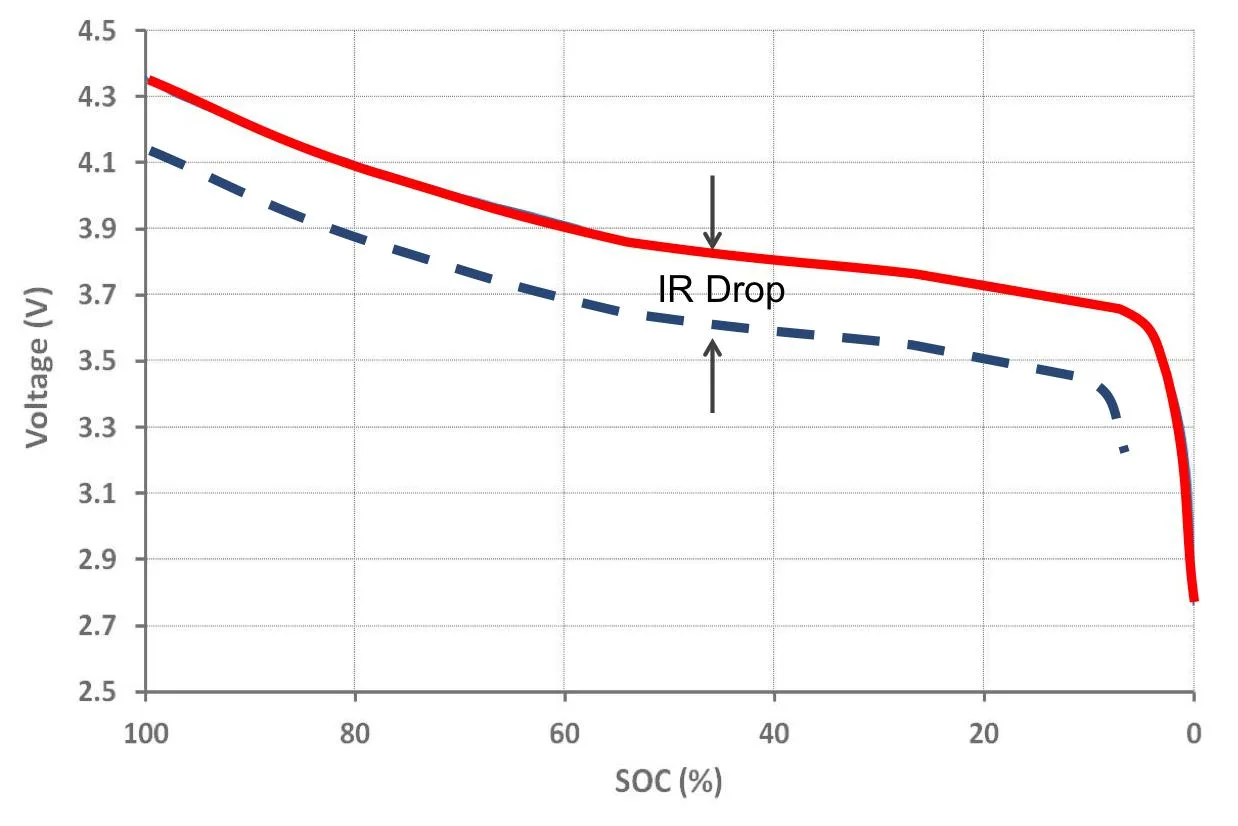
1. Understanding the ALIBARBAR INGOT 9000 Battery
The ALIBARBAR INGOT 9000 is commonly advertised with a 2350mAh battery, although specifications should be confirmed against reliable manufacturer information for the exact product version.
The abbreviation mAh stands for milliampere-hour.
It measures a battery's nominal electrical charge capacity.
A higher mAh rating generally indicates greater charge capacity when comparing batteries with similar chemistry and voltage.
However, it does not guarantee a particular operating time.
Actual battery performance depends on several factors:
Electrical power consumption.
Activation frequency and duration.
Battery temperature.
Battery age and condition.
Electronic circuit efficiency.
Voltage cut-off settings.
Therefore, two devices with similar battery capacities may have different operating times.
2. Frequent Activations Can Increase Battery Consumption
One of the most straightforward explanations for faster battery drain is increased electrical energy consumption.
The heating element draws power whenever the device is activated.
Longer activations generally require the heating element to operate for a longer period.
Frequent activations can also increase total energy consumption.
For example:
ExampleActivation durationTotal heating time over 500 activationsA1 second500 secondsB2 seconds1,000 secondsC4 seconds2,000 secondsThese figures are illustrative rather than measured ALIBARBAR performance data.
They show that the same number of activations can represent very different amounts of heating time.
Battery runtime therefore depends on more than the number of activations recorded.
3. Battery Ageing Can Reduce Available Capacity
Lithium-ion batteries gradually deteriorate over time.
This process occurs because of chemical changes inside the battery cell.
Factors that may accelerate deterioration include:
Repeated charging and discharging.
Exposure to excessive heat.
Long-term storage conditions.
Internal chemical ageing.
Physical or electrical damage.
As a battery ages, its usable capacity may decrease and its internal resistance may increase.
Possible symptoms include shorter operating time, rapid battery indicator changes and unexpected shutdowns.
However, these symptoms can also result from electronic faults.
Battery ageing should therefore be considered a possible explanation rather than a confirmed diagnosis.
4. Why Does the ALIBARBAR Battery Percentage Drop Suddenly?
Some ALIBARBAR INGOT 9000 devices are advertised with digital battery indicators.
However, the displayed percentage or battery level may not always represent the precise amount of usable energy remaining.
Battery monitoring systems may estimate charge using voltage measurements or other electronic information.
When a battery supplies electrical current, its terminal voltage can temporarily decrease.
This is known as voltage drop under load.
After the load stops, the voltage may recover.
If the battery indicator relies heavily on voltage measurements, it may show a lower charge level during operation and a higher level afterwards.
For example, an indicator might display:
80% before activation.
65% during electrical loading.
75% after resting.
These percentages are hypothetical examples, not verified ALIBARBAR display behaviour.
A percentage increase without charging does not mean the battery has gained energy.
It may simply reflect voltage recovery or limitations in the charge estimation system.
5. Australian Weather Can Affect Battery Performance
Temperature can significantly influence lithium battery behaviour.
During Australian summers, vehicles and enclosed spaces exposed to direct sunlight can become extremely hot.
Excessive heat may accelerate battery deterioration and increase the risk of failure.
Cold conditions can temporarily increase internal resistance, resulting in greater voltage drop during operation.
This may cause an electronic device to show a lower battery level or shut down earlier than expected.
Temperature-related changes do not necessarily indicate permanent battery damage.
However, unusual heating, swelling or physical damage should never be ignored.
Avoid leaving battery-powered devices inside hot vehicles or near direct heat sources.
6. Does the 9000 Puff Rating Represent Battery Life?
No.
The advertised 9000-puff figure is separate from the battery's nominal capacity.
A puff-count rating represents an estimated number of activations under particular assumptions or testing conditions.
It does not mean the battery will provide exactly 9000 activations on a single charge.
Actual performance may depend on:
Activation duration.
Heating power.
Battery condition.
Available e-liquid.
Coil and wicking performance.
Electronic efficiency.
A device may stop operating because its battery is depleted, its e-liquid is exhausted or an internal component has failed.
These are different technical limitations.
Consumers should therefore avoid treating advertised puff count and battery endurance as interchangeable measurements.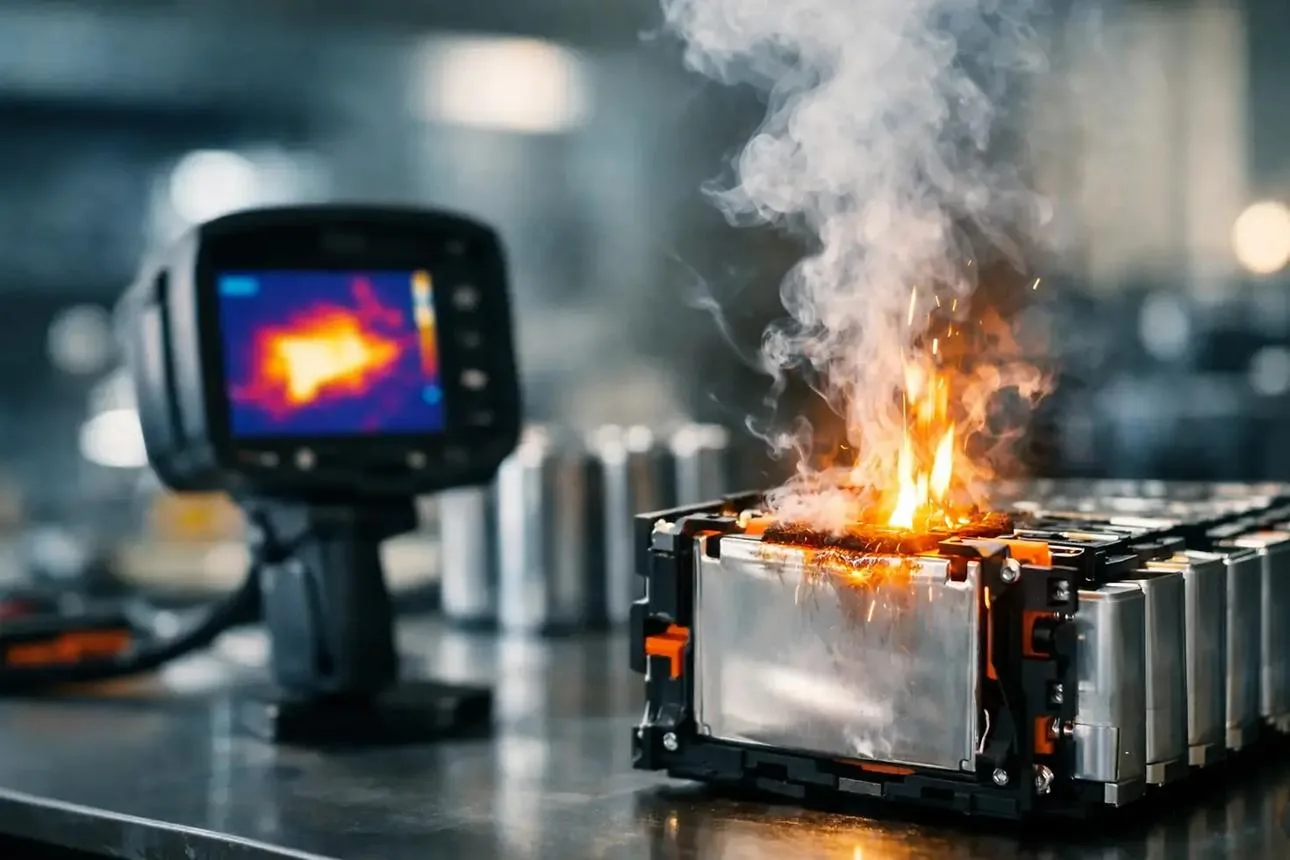
7. Could an Electrical Fault Cause Rapid Battery Drain?
Yes.
In some cases, unusually rapid battery discharge may be related to an electrical fault.
Possible issues include:
Defective battery monitoring circuitry.
Abnormal standby power consumption.
Damaged electrical connections.
Faulty control electronics.
Internal battery deterioration.
These problems cannot be reliably diagnosed using the battery indicator alone.
Consumers should not dismantle sealed devices, attempt to replace internal batteries or bypass electrical protection systems.
If a device repeatedly shuts down, becomes unusually hot or behaves unpredictably, discontinue use.
8. Common ALIBARBAR 9000 Battery Problems Explained
ObservationPossible explanationSafety considerationBattery drains faster than expectedHigher energy consumption or reduced battery capacityCompare symptoms rather than relying on puff countBattery indicator drops suddenlyVoltage drop or inaccurate estimationDisplayed charge may be approximateBattery percentage increases after restingVoltage recoveryDoes not indicate actual rechargingRuntime decreases over timeBattery ageingWatch for abnormal behaviourDevice stops unexpectedlyLow voltage or electronic faultAvoid internal repairsDevice becomes unusually hotPossible overheating or electrical faultStop using the deviceBattery swells, hisses or emits smokePotential serious battery failureKeep clear and seek urgent assistanceThese observations are not sufficient to establish a definitive diagnosis.
9. ALIBARBAR Battery Safety and Disposal in Australia
Many vaping devices contain lithium-based batteries that can create fire risks if damaged, overheated, crushed or improperly disposed of.
Australian consumers should follow basic safety precautions:
Avoid excessive heat and direct sunlight.
Do not leave devices inside hot cars.
Never puncture or crush battery-powered devices.
Do not dismantle sealed batteries.
Never recharge a device unless it is specifically designed for recharging.
Stop using devices that become unusually hot or show signs of damage.
Do not attempt to repair internal electrical components.
At the end of its usable life, a battery-powered vaping device should not be placed in household rubbish or ordinary kerbside recycling.
Contact your local council or an authorised e-waste collection provider for appropriate disposal guidance.
Not every battery recycling point accepts complete vaping devices with embedded batteries.